
Curriculum Definition in Education: A Practical SEO Outline
Foundational concepts and definitions
Curriculum, the guiding architecture of what students should know and be able to do, anchors every school’s mission. In education, the phrase define curriculum in education emerges not as buzz but as a compass—mapping aims, content, and assessments into a coherent journey through knowledge’s shadowed corridors.
Foundational concepts breathe beneath the surface: alignment of aims with practice, clarity of outcomes, and the sequencing of ideas that builds competence over time. These threads must mesh with local realities—South Africa’s CAPS framework and diverse classrooms—so that learning feels like a living, navigable map.
- Goals and learning outcomes
- Content sequencing and scope
- Assessment, feedback, and adaptation
Together, they form a practical SEO outline for education content—clear definitions, accessible language, purposeful structure. The outline invites readers to inhabit a curriculum’s design as a ritual of clarity, coherence, and curiosity.
Curriculum development models and frameworks
Nelson Mandela’s line—”Education is the most powerful weapon which you can use to change the world”—reads like a banner over a classroom door. A practical compass emerges when we map learning: definitions become paths, aims become experiences. “define curriculum in education” becomes a compass that guides what students know and can do, turning abstract intent into meaningful journeys.
A practical SEO outline emerges from a few proven models that frame this work. They map aims to content, and assessments across units in diverse South African classrooms.
- Backward Design: start with outcomes, then plan learning and assessment.
- Understanding by Design: emphasize big ideas and essential questions.
- Competency-based progression: build skills in stages aligned to learner growth.
These frameworks weave into CAPS-reality and local diversity, producing clear, coherent journeys that search engines and readers alike can follow with ease.
Design, implementation, and resources
“Education is the most powerful weapon which you can use to change the world,” a banner that still hums over South African classrooms. To define curriculum in education, educators map aims to learning experiences, turning abstract intent into journeys that students can navigate with curiosity and confidence.
Design here is a practical compass: it links what learners should know with how they explore, practise, and demonstrate understanding, all while honoring CAPS realities and local diversity. The goal is seamless coherence—so a topic in one unit resonates as a skill in the next, guiding teachers and readers through an aligned arc.
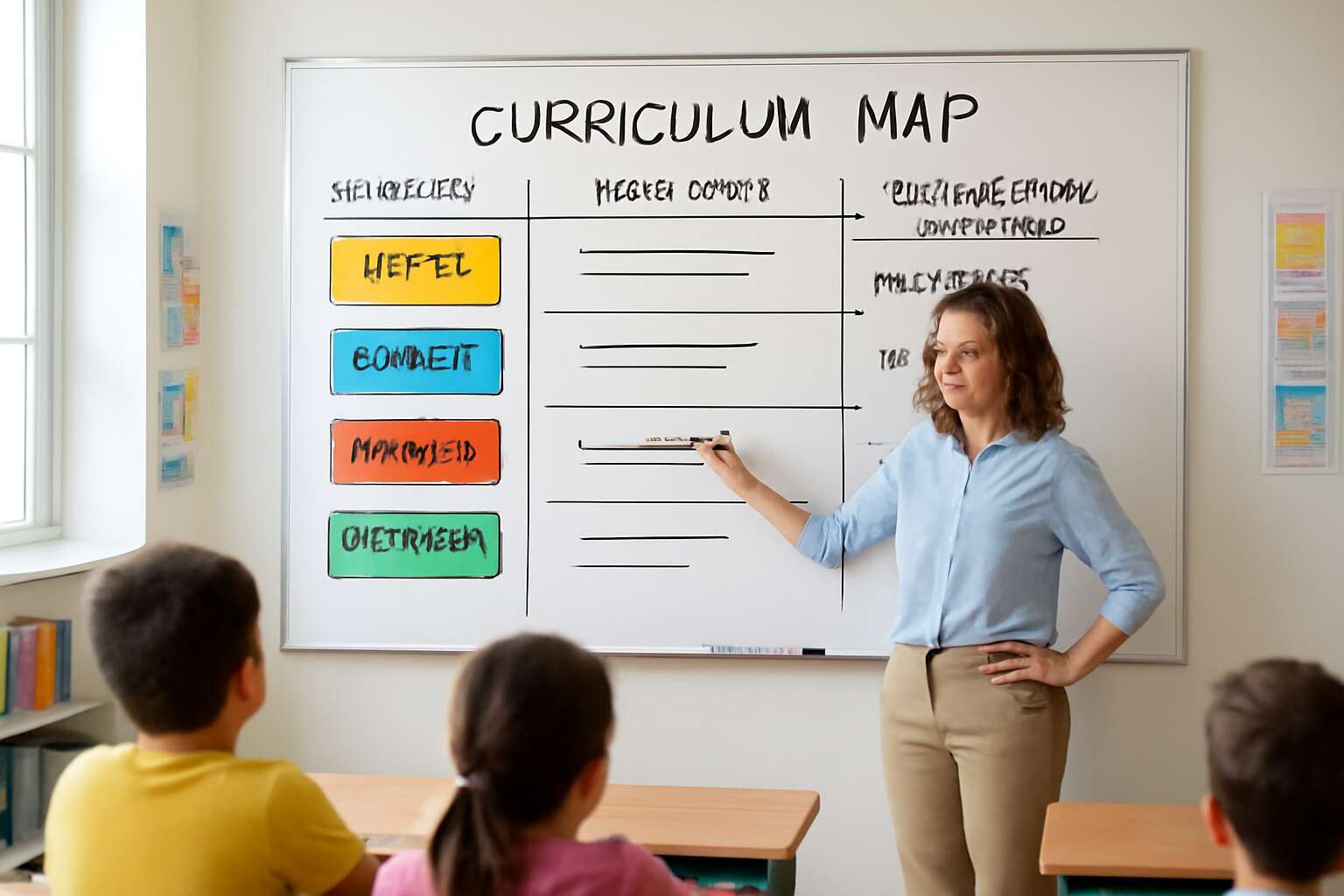
- Curriculum maps and unit templates
- Assessment rubrics and performance criteria
- Professional development modules for educators
A believable resource ecosystem emerges when schools embrace open channels, digital libraries, and community partnerships, turning a plan into practice that feels like a shared adventure.
Evaluation, equity, and future directions
Curriculum is a living instrument that shifts with every learner’s breath, a map that invites curiosity rather than cages it. To define curriculum in education is to translate aspirational aims into learning paths that students can navigate with confidence. In this glow of possibility, evaluation becomes a compass: not a gatekeeper, but a guide that confirms what resonates and what needs widening, especially in diverse South African classrooms.
Equity threads through every choice—whose voices count, which talents flourish, and how language diversity is valued. A practical SEO outline foregrounds clarity and coherence while responding to local realities, inviting frameworks that bend without breaking and let learners steer their own journeys.
- Co-created standards that reflect learner contexts
- Open digital libraries and partnerships with communities
- Transparent rubrics that celebrate varied demonstrations
Future directions glow with adaptability, equity, and shared ownership, as we define curriculum in education anew.