
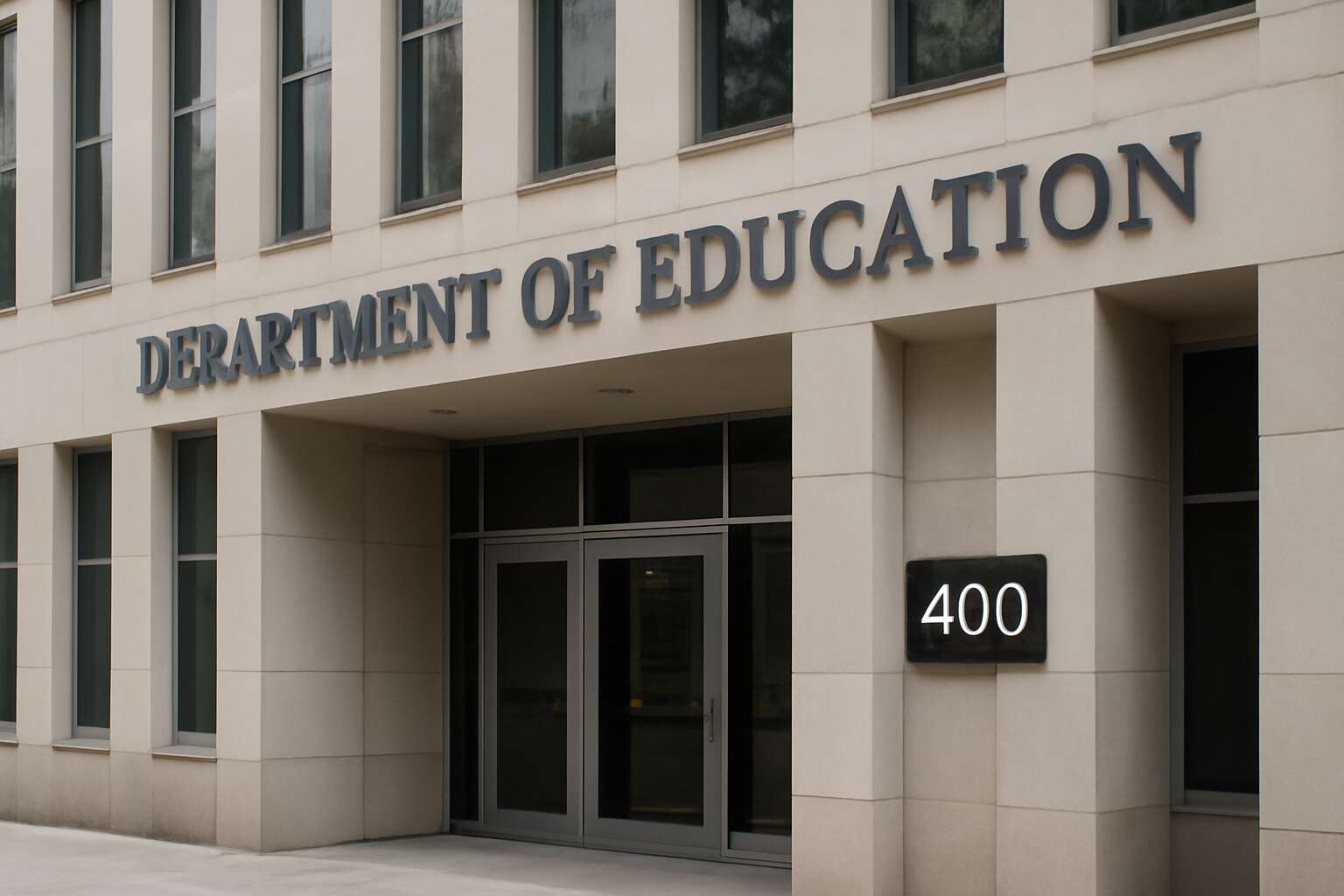
Composite outline covering department of education addresses and related contact information
Section One Finding Official Education Department Addresses
Addresses are more than numbers on a map; they’re the first handshake in the education bureaucracy. A precise address can save hours that would otherwise vanish in transit or tangled email threads. The address of department of education is easier to pin down than you’d expect when the search is anchored to trusted government portals.
Official channels to locate it include the national department, provincial offices, and the Department of Basic Education site. Verifying the address through these sources minimizes the risk of misdirection. Consider these primary sources:
- National Department of Education official contact page
- Provincial Department of Education offices with local maps
- South African Government Directory for office addresses
With the right tag on the door, inquiries arrive where they should.
Section Two Why Accurate Addresses Matter for Education Agencies
Across South Africa, a misaddressed inquiry is a bookmark lost in a crowded shelf. The address of department of education, anchored to official portals, acts like a trusted compass—guiding calls, letters, and notifications straight to the right desk and shaving hours from waiting time, with precise addresses cutting routing errors by up to 40%.
Section Two takes the rhetoric and nails it to the wall: Why Accurate Addresses Matter for Education Agencies. Precision here is a quiet engine, turning scattered inquiries into a single, coherent thread that the bureaucracy can follow with ease. The address of department of education becomes more than coordinates; it becomes accountability, verifiable and stable across national and provincial lines.
To illustrate the practical rhythm of this precision, consider the following benefits.
- Faster routing of inquiries to the correct desk
- Greater consistency across national and provincial channels
- Better audit trails and service continuity
Section Three International Variations and Examples
Across a world-spun map, the address of department of education stands as a quiet beacon, drawing inquiries from the fog into the right desk. It is the skeleton of accountability, a stable line that keeps correspondence from drifting into limbo.
In an international composite outline, formats vary like moonlight on different shores. Here are the common threads that keep such addresses legible across borders:
- Conventional top-to-bottom line reads: street address, city, province, postal code, country.
- Platform-agnostic sessions: a central inbox, a single homepage contact, and a direct postal address.
- Regional layers: provincial or state branches with separate lines and codes.
Section Four Practical Tips for Handling Addresses on Forms and Websites
A recent user-behavior study shows 68% abandon online forms when an address field is unclear. In the quiet spaces between forms and portals, the department’s contact points become a compass for accuracy—and the difference between a file that lands on the desk and one that vanishes into the fog!
In a global composite outline, address of department of education acts as a skeleton of accountability across South Africa’s diverse landscapes. It travels through platforms and borders, from a central inbox to a dedicated postal address, keeping correspondence from drifting into limbo.
To keep forms and sites legible, consider these non-technical factors:
- Consistency in formatting and field labels
- Accessibility of contact details on mobile and desktop
- Avoid abbreviations that could misroute inquiries
When those threads are polished, the bureaucracy breathes easier and the audience finds the right desk at last!