
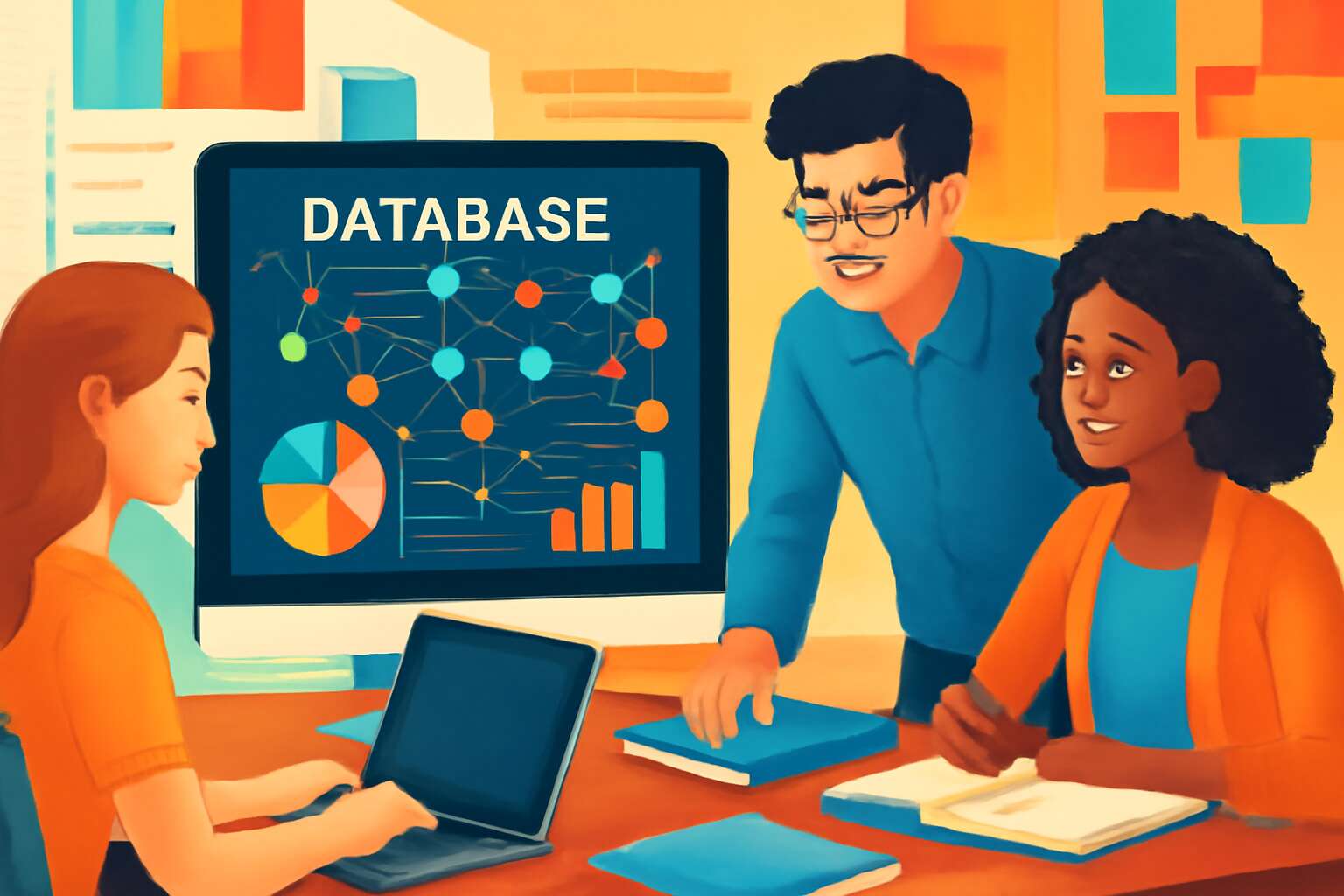
Understanding Database Education and Its Importance
What Is Database Education?
In a world increasingly driven by data, understanding the essence of data base education transforms mere information into a powerful tool for innovation. It is an odyssey through the labyrinth of digital knowledge, where learners unravel the secrets of organizing, managing, and safeguarding vast realms of information. As Sir Isaac Newton once mused, “What we know is a drop, what we don’t know is an ocean,” and data base education invites explorers to navigate this expansive sea of knowledge.
But what precisely is data base education? It is a comprehensive journey that equips individuals with the skills to design, implement, and maintain robust data systems. This knowledge is vital for those seeking to harness data’s potential—whether in business, technology, or research. Delving into this field reveals critical concepts such as data modeling, database management systems, and query language mastery, all woven into a cohesive fabric of understanding.
To truly grasp its importance, consider the foundational pillars of data base education:
- Empowering decision-makers with precise, timely information
- Enhancing data security and integrity in complex environments
- Driving innovation through efficient data retrieval and analysis
For South Africa, where data-driven growth is accelerating, mastering data base education becomes not just an advantage but a necessity in the digital age. It transforms raw data into strategic assets, fueling progress and unlocking new realms of possibility.
Benefits of Learning Database Management
Understanding data base education is crucial in today’s digital landscape. It’s more than just learning to use software; it’s about mastering how data shapes decision-making and innovation. In South Africa, where digital transformation accelerates, proficiency in data base management becomes a vital skill for professionals across industries.
Learning database management unlocks numerous benefits. It enhances the ability to organize and retrieve data efficiently, leading to faster insights and better strategic choices. Moreover, it bolsters data security and integrity, essential in protecting sensitive information. The skills gained through data base education empower users to create scalable systems that support growth and adaptability.
For those committed to advancing in technology or business, the advantages are clear. Mastery of data base concepts such as data modeling, query languages, and system design fosters a competitive edge. The more adept you are at managing data, the more you can leverage its full potential—driving innovation and supporting sustainable development in South Africa’s evolving economy.
Key Skills Gained Through Database Courses
Understanding database education is essential in today’s data-driven world. It’s more than just learning to operate software; it’s about mastering the fundamentals that underpin data management. A solid grasp of database education opens doors to roles in tech, business, and government sectors across South Africa’s rapidly evolving economy.
Key skills gained through database courses include data modeling, query language proficiency, and system design. These competencies enable professionals to structure data efficiently, retrieve information swiftly, and develop scalable solutions. With these skills, users can turn raw data into actionable insights, supporting strategic decision-making.
In the context of South Africa’s digital transformation, the importance of data base education cannot be overstated. It equips individuals to implement innovative systems that enhance security, improve data integrity, and foster sustainable growth. Mastering these core skills ensures a competitive edge in a marketplace increasingly reliant on data mastery.
Types of Database Courses and Learning Paths
Beginner Courses for Aspiring Data Professionals
In the realm of data base education, a myriad of learning paths beckon those eager to forge their destiny in the digital age. From foundational courses designed to illuminate the basics of database management to advanced specializations that delve into the intricacies of data architecture, each pathway offers a unique vantage point. Aspiring data professionals often find themselves at a crossroads, choosing between structured programs or self-guided exploration — yet all roads lead to mastery.
For beginners, the journey begins with courses that demystify the language of databases, emphasizing core principles such as data modeling, SQL syntax, and relational database design. These courses serve as the bedrock of a robust understanding, nurturing skillsets that are vital in today’s data-driven landscape. To aid in clarity, a typical beginner’s learning path might include:
- Introduction to Database Concepts
- Fundamentals of SQL
- Data Normalization Techniques
- Basic Database Administration
As learners progress, they encounter various types of database courses tailored to specific career aspirations—be it data analysis, cloud database management, or cybersecurity. Each learning path weaves a tapestry of knowledge, transforming raw curiosity into a finely-honed expertise that can adapt to the ever-evolving demands of the data universe in South Africa and beyond.
Advanced Database Management Programs
In the dynamic realm of data base education, the spectrum of courses available is as vast as the data universe itself. For those seeking to elevate their expertise, advanced database management programs offer a compelling pathway to mastery. These programs delve deeper into sophisticated topics such as distributed databases, data warehousing, and high-availability architectures, equipping learners with the tools to command complex data ecosystems. Such courses are tailored for professionals eager to thrive in the competitive landscape of South Africa’s digital economy, where data-driven decision-making is paramount.
Often, these learning paths are structured as rigorous, comprehensive modules that challenge even the most seasoned data enthusiasts. They typically include hands-on projects, real-world case studies, and exposure to cutting-edge technologies like NoSQL, cloud database platforms, and big data integrations. The goal is to cultivate a nuanced understanding of how to optimize data storage, retrieval, and security in demanding environments. Whether via online platforms or specialized training institutes, advanced database management courses serve as a beacon for those who refuse to be mere spectators in the data revolution.
Specialized Database Certifications (SQL, NoSQL, Cloud Databases)
In the rapidly evolving landscape of data base education, understanding the different types of courses and learning paths can be the key to unlocking new professional heights. With the surge of digital transformation across South Africa’s industries, specialized database certifications are more vital than ever. They serve as a passport to mastering the intricacies of modern data management systems.
From foundational SQL courses to advanced NoSQL and cloud database certifications, each pathway offers unique advantages. SQL remains the backbone of structured data management, while NoSQL opens doors to handling unstructured data with agility. Meanwhile, cloud database certifications—covering platforms like AWS and Azure—equip learners with skills to deploy scalable, resilient data ecosystems. These certifications are often structured as rigorous, targeted programs that challenge even seasoned professionals.
- SQL Certification: Perfect for those seeking mastery in relational databases.
- NoSQL Certification: Ideal for managing big data and unstructured information.
- Cloud Database Certification: Essential for deploying data solutions in the cloud environment.
By choosing the right learning path within data base education, professionals in South Africa can position themselves at the forefront of the data-driven economy. These certifications not only validate expertise but also deepen understanding of complex data ecosystems, ensuring readiness for future challenges and innovations.
Online vs. On-campus Database Education
When it comes to data base education, the options are as diverse as South Africa’s vibrant cultural tapestry. From online courses that let you learn in your pajamas to prestigious on-campus programs that offer hands-on experience, there’s a learning path suited for every aspiring data enthusiast. Online courses are particularly popular among busy professionals juggling multiple commitments, offering flexibility without sacrificing depth. Meanwhile, on-campus education provides immersive environments where students can collaborate face-to-face and gain practical skills in real-world settings.
For those navigating the world of data base education, understanding the different types of courses can be a game-changer. Here’s a quick glance at the typical learning paths:
- Foundational SQL courses that teach the language of structured data.
- Specialized NoSQL certifications ideal for managing unstructured big data.
- Cloud database training focusing on platforms like AWS and Microsoft Azure, essential for deploying scalable data solutions.
Whether opting for online or on-campus options, the key is choosing a pathway that aligns with your career goals. Both formats offer unique advantages that cater to different learning styles, ensuring that your data base education is as effective as it is engaging!
Core Topics Covered in Database Education
Database Design Principles
In the realm of data base education, understanding core design principles is crucial for building robust, efficient, and scalable systems. These principles serve as the backbone of creating databases that can withstand the demands of modern data management. When delving into database design, it’s essential to grasp concepts such as normalization, data integrity, and relational models—each playing a pivotal role in optimizing performance and reducing redundancy.
One of the fundamental aspects of data base education is mastering the art of structuring data logically. This involves translating real-world scenarios into logical schemas that facilitate easy access and updates. To deepen this comprehension, students often explore best practices like entity-relationship modeling, which visually maps out how different data elements relate to each other. This approach ensures a seamless transition from theoretical knowledge to practical application, equipping future data professionals with the skills needed to architect sophisticated databases.
Relational Database Management Systems (RDBMS)
Mastering relational database management systems (RDBMS) is the cornerstone of comprehensive data base education. These systems form the backbone of most enterprise data solutions, offering a reliable and flexible way to store, retrieve, and manipulate data. A solid understanding of RDBMS involves grasping concepts like tables, keys, and indexes—each essential for crafting efficient data structures.
Core topics covered in database education often include:
- Data modeling and schema design
- SQL querying and optimization techniques
- Transaction management and concurrency control
- Data normalization to eliminate redundancy
By diving into these topics, students develop the ability to design scalable databases that can handle the complex demands of modern data management in South Africa’s dynamic business environment. Embedding these core principles ensures future data professionals are equipped to build systems that are both robust and adaptable—key ingredients in the recipe for successful data-driven decision-making.
SQL and Query Optimization
Within the realm of data base education, one of the most intellectually demanding yet profoundly rewarding pursuits is mastering SQL and query optimization techniques. These skills form the backbone of efficient data retrieval, an essential component in South Africa’s rapidly evolving digital economy. The ability to write precise, high-performance SQL queries can spell the difference between sluggish, bloated databases and sleek, responsive systems that power business intelligence and decision-making with agility.
Core topics often include a detailed exploration of query execution plans, indexing strategies, and the art of crafting optimized SQL statements. Understanding how to analyze and improve query performance requires a nuanced grasp of how databases process commands, and this knowledge elevates a data professional from mere coder to strategic architect. By delving deeply into these areas, students of data base education develop a sophisticated perspective on data manipulation, ensuring they are equipped to design scalable systems that withstand the pressure of real-world, high-demand environments.
Furthermore, the curriculum might involve:
- Analyzing query plans to identify bottlenecks
- Implementing indexing strategies to accelerate data access
- Utilizing advanced SQL functions for complex data analysis
- Applying transaction control to maintain data integrity during concurrent operations
These elements are not just technical skills—they are the keystones of building resilient, high-performing, and adaptable data systems, especially crucial in South Africa’s diverse and dynamic market landscape. Mastery of query optimization within data base education unlocks the potential to turn raw data into actionable insights—an invaluable asset for any modern enterprise.
NoSQL and Non-relational Databases
When it comes to data base education, the landscape is expanding faster than a Johannesburg minibus on a busy morning! One vital core topic that often flies under the radar is NoSQL and non-relational databases. These modern marvels challenge the traditional relational model, offering flexibility and scalability—traits highly prized in South Africa’s ever-changing digital environment.
Unlike classic SQL databases, NoSQL systems embrace a variety of data models, including document, key-value, graph, and column-family stores. This diversity allows data professionals to tailor solutions precisely to their needs, whether they’re managing social network data or real-time analytics. For example, document databases like MongoDB excel at handling semi-structured data, making them perfect for rapid application development.
In data base education, understanding when and why to implement NoSQL over traditional relational systems can be a game-changer. This knowledge unlocks the ability to build resilient, scalable data architectures that can withstand South Africa’s diverse market demands. Think of it as having a Swiss Army knife in your data toolkit—ready for any challenge that comes your way!
Database Security and Compliance
In the intricate world of data base education, mastering core topics like database security and compliance is essential—yet often overlooked. As data becomes the lifeblood of South African enterprises, understanding how to protect sensitive information and adhere to evolving regulations can make or break a business’s reputation. With cyber threats rising exponentially, knowledge of security frameworks and best practices isn’t just optional; it’s imperative.
Database security encompasses more than just firewalls. It involves implementing multi-layered defenses, monitoring access controls, and ensuring encryption at rest and in transit. Meanwhile, compliance standards such as POPIA and GDPR have added layers of complexity, demanding that data professionals stay ahead of legal mandates. Navigating this landscape requires a nuanced understanding of both technical safeguards and regulatory obligations.
Effective data base education provides a comprehensive grasp of these critical areas. It often involves engaging with real-world scenarios, enabling learners to design resilient systems that not only store data but also shield it from emerging threats. Whether through a structured course or on-the-job training, developing expertise in database security and compliance ensures organizations can operate confidently within South Africa’s dynamic digital environment.
Data Warehousing and Data Mining
Within the vast tapestry of data base education, two realms shimmer with promise and complexity: data warehousing and data mining. These core topics form the backbone of modern data strategies, transforming raw information into invaluable insights. As South African enterprises grapple with an ever-expanding digital landscape, understanding how to harness these powerful tools becomes essential.
Data warehousing acts as a centralized vault, meticulously organizing data from diverse sources, ready to be mined for hidden gems. Meanwhile, data mining is the art of peeling back layers of information—discovering patterns, trends, and correlations that can propel a business forward. Effective data base education delves into these areas, often through immersive case studies that mirror real-world challenges.
Through engaging with these topics, learners develop the prowess to design sophisticated analytical systems. Whether exploring
- OLAP (Online Analytical Processing)
- ETL processes (Extract, Transform, Load)
or mastering predictive analytics, the journey into data warehousing and data mining unlocks the full potential of information. For those committed to excelling in South Africa’s competitive digital economy, a comprehensive grasp of these subjects isn’t just advantageous—it’s transformative.
Cloud-Based Database Solutions
In the ever-evolving realm of data base education, understanding the core topics is essential for staying ahead in South Africa’s competitive digital economy. One of the pivotal areas is cloud-based database solutions, which are transforming how businesses store, manage, and analyze data. These solutions offer scalability and flexibility, empowering organizations to adapt swiftly to market demands.
Within data base education, learners explore the architecture of cloud databases, their integration with existing systems, and best practices for security and performance optimization. The focus isn’t just on managing data but on harnessing cloud technology to unlock real-time insights and streamline operations.
To deepen understanding, courses often feature practical modules on:
- Deploying cloud database platforms like Amazon RDS, Google Cloud SQL, or Microsoft Azure SQL Database
- Implementing data migration strategies for cloud environments
- Ensuring compliance with local and international data protection regulations
These elements are vital for mastering the nuances of data base education in a cloud context, preparing South African enterprises to thrive in a digital-first landscape.
Benefits of Formal Database Training for Professionals
Enhanced Data Management Skills
In the dynamic realm of data base education, professionals who pursue formal training unlock a treasure trove of benefits that elevate their careers beyond mere competence. With the rapid expansion of digital ecosystems, mastery over data management has become an indispensable asset, transforming ordinary practitioners into data artisans capable of weaving intricate information tapestries. Enhanced data management skills empower professionals to design robust databases, optimize queries, and ensure data integrity, all while safeguarding sensitive information. This level of expertise not only boosts efficiency but also fortifies organizational resilience against cyber threats and compliance pitfalls.
Moreover, the structured nature of formal database training nurtures critical thinking and strategic problem-solving, essential for navigating complex data landscapes. As businesses increasingly rely on cloud-based database solutions and NoSQL technologies, a solid foundation in data base education ensures professionals stay ahead of technological trends. Embracing this educational journey enables data professionals to turn raw data into strategic insights, fueling innovation and competitive advantage in a data-driven world.
Career Advancement Opportunities
In the shadowed corridors of modern enterprise, the value of formal data base education emerges as a beacon for career ascension. As organizations grapple with the relentless tide of digital transformation, those armed with advanced database skills command a distinct advantage. Such training doesn’t merely confer knowledge—it transforms professionals into guardians of data integrity, architects of robust systems that can withstand the fiercest cyber storms.
The benefits extend beyond technical prowess. Data base education paves the way for strategic influence within organizations, unlocking opportunities for leadership roles and specialized consultancy. For those seeking to elevate their career, mastery of evolving technologies—like cloud databases and NoSQL—becomes an invaluable asset. In this relentless pursuit of excellence, structured learning becomes the gateway to not only surviving but thriving in the data-driven landscape of South Africa’s burgeoning tech ecosystem.
Meeting Industry Standards and Certifications
In an era where data has become the new currency, aligning your skills with industry standards through formal database education can be transformative. Certifications such as Microsoft Certified: Azure Data Engineer or Oracle Database Expert serve as digital badges of credibility, signaling expertise to employers and clients alike. These accolades not only validate your technical prowess but also open doors to high-level positions in South Africa’s competitive tech sector.
Moreover, adhering to recognized certifications ensures that professionals stay ahead of evolving industry benchmarks. It’s akin to acquiring a universal language that resonates across organizations and borders, fostering trust and confidence in your abilities. For those eager to carve a niche in data management, pursuing specialized database certifications becomes an essential part of career development.
Gain a competitive edge by investing in structured data base education—where industry standards and certifications are more than just milestones; they are gateways to professional excellence and recognition.
Improving Business Data Efficiency
In today’s fast-evolving digital landscape, mastering data base education isn’t just an advantage—it’s a necessity. Organizations across South Africa are increasingly relying on robust database systems to streamline operations and drive strategic decisions. Professionals who pursue formal database training unlock unparalleled efficiencies in managing business data, transforming raw information into actionable insights. This expertise enables smoother data integration, faster query execution, and enhanced data accuracy, all of which contribute to a more agile business environment.
Moreover, structured data base education empowers professionals to implement best practices in data management, ensuring compliance with industry standards and reducing vulnerabilities. The knowledge gained from comprehensive courses often includes understanding complex database architectures and optimizing data workflows—crucial skills that elevate an organization’s data capabilities. By investing in such education, individuals not only boost their technical proficiency but also become catalysts for digital transformation within their companies.
In a competitive landscape like South Africa’s tech sector, having a deep understanding of data management principles can differentiate a professional from the rest. With the right data base education, you open doors to leadership roles, consultancy opportunities, and high-impact projects. It’s more than just learning; it’s about becoming a pivotal part of a data-driven future that’s reshaping industries.
Key Resources for Database Education
Top Schools and Universities Offering Database Courses
When exploring the landscape of data base education, understanding the key resources that underpin top-tier learning institutions is essential. South Africa boasts several universities and colleges renowned for their cutting-edge database courses, blending theoretical foundations with practical applications. These institutions often partner with industry leaders, ensuring students gain exposure to real-world challenges and emerging trends. From state-of-the-art laboratories to comprehensive digital libraries, the resources provided are vital for cultivating expert-level database management skills.
Particularly noteworthy are the universities that emphasize research-driven curricula, fostering innovation in areas like cloud-based database solutions and data warehousing. For learners seeking excellence, top schools like the University of Cape Town and Wits University offer specialized programs that meet industry standards and certifications. These resources serve as a bridge, transforming aspiring professionals into proficient data specialists capable of navigating the complexities of relational and non-relational databases.
Recommended Online Platforms and Courses
In the rapidly evolving world of data base education, having access to the right online platforms and courses can make all the difference. With the rise of remote learning, learners in South Africa now have unprecedented opportunities to master database management from anywhere. Renowned platforms like Coursera, Udacity, and edX offer comprehensive courses tailored to diverse skill levels, from foundational SQL tutorials to advanced cloud database solutions.
These platforms often partner with leading universities and industry giants, ensuring content is both current and industry-relevant. For instance, Coursera’s specialization in data warehousing and data mining provides learners with practical insights that align with real-world demands. Many courses include hands-on projects, enabling students to develop critical skills in query optimization, NoSQL, and database security—core elements of data base education.
- Interactive modules designed by experts
- Access to global digital libraries and resources
- Certification options that boost professional credibility
- Flexibility to learn at your own pace
These resources are not just supplementary—they are central to cultivating expertise and staying ahead in a competitive landscape. For South African students eager to excel, online platforms serve as an essential bridge, transforming curiosity into proficiency in data base education.
Books and Study Guides
In the realm of data base education, the power of well-chosen books and study guides cannot be overstated. They serve as the steady compass guiding eager learners through the intricate labyrinth of database management. For those in South Africa seeking to elevate their understanding, these resources become invaluable allies in the quest for mastery.
From foundational texts that demystify the core principles of relational database management systems (RDBMS) to advanced tomes exploring cloud-based database solutions, the right book can transform abstract concepts into tangible skills. Engaging study guides often feature real-world scenarios, fostering a deeper comprehension of query optimization and database security.
Some of the most revered resources include titles like “Database System Concepts” by Silberschatz, Korth, and Sudarshan, which provides a comprehensive overview, and “NoSQL Distilled” for those venturing into non-relational databases. These books, paired with practical exercises, create a fertile ground for cultivating expertise in data base education.
To streamline the journey, learners might consider assembling a curated list of key resources, such as:
- Core textbooks on relational databases
- Specialized guides on SQL and NoSQL
- Reference manuals on database security and compliance
- Practical handbooks for cloud database management
In the vibrant landscape of South Africa’s digital economy, these study guides emerge as beacons—illuminating the path from novice to professional, one page at a time. They transform the abstract into the accessible, empowering students to navigate the complex currents of data base education with confidence and clarity.
Community Forums and Professional Networks
Building a resilient foundation in data base education requires more than just textbooks; it demands immersion in vibrant community forums and professional networks. These platforms serve as crucibles of shared knowledge, where seasoned experts and eager learners converge to exchange insights, troubleshoot complex issues, and stay abreast of evolving industry standards. In South Africa’s fast-paced digital economy, engaging with such communities becomes essential for staying relevant and adaptable.
Through active participation, students and professionals alike deepen their understanding of real-world challenges. They access invaluable resources like webinars, peer-reviewed articles, and expert-led discussions that transcend traditional learning. For instance, online platforms such as Stack Overflow, Data Science Central, and local South African tech forums foster a collaborative spirit that fuels continuous growth.
To navigate the labyrinth of data base education effectively, consider cultivating connections within these networks. They not only offer support but also open doors to mentorship and career opportunities, ensuring that your journey in data management is both enriching and sustainable.
Emerging Trends and Future of Database Education
Integration of Artificial Intelligence and Machine Learning
As technology advances at a breakneck pace, the future of database education is poised to undergo a seismic shift—powered by artificial intelligence and machine learning. These emerging trends promise to revolutionize how aspiring data professionals approach data management, making processes more intuitive and efficient. No longer confined to rote memorization of SQL syntax or basic database design, students are now delving into AI-driven tools that facilitate real-time data analysis and predictive modeling, essentially transforming the landscape of data base education.
In fact, integrating AI and machine learning into database curricula is not just a fanciful dream but an inevitable reality. This integration allows learners to develop a deeper understanding of complex data ecosystems, equipping them with skills that are highly sought after in South Africa’s burgeoning data economy. From automating routine database tasks to enhancing data security protocols, the future of database education will be characterized by a synergy of human ingenuity and intelligent algorithms.
To keep pace with these advancements, educational institutions are increasingly adopting innovative strategies such as immersive virtual labs and adaptive learning platforms. These tools personalize the learning experience, ensuring that students master core concepts while also gaining hands-on experience with cutting-edge technologies. As a result, tomorrow’s data professionals will be adept at navigating not only conventional relational databases but also emerging NoSQL and cloud-based database solutions.
Rise of Cloud Database Platforms
The rise of cloud database platforms is fundamentally reshaping the landscape of database education, especially within South Africa’s rapidly evolving digital economy. As organizations increasingly migrate their data to cloud environments, understanding how these platforms function becomes essential for aspiring data professionals. Cloud-based solutions like Amazon Web Services (AWS) and Microsoft Azure offer scalable, flexible, and cost-effective alternatives to traditional database systems, making them a cornerstone of modern data management.
In the realm of data base education, this trend emphasizes the importance of mastering cloud database solutions alongside conventional skills. Students now explore how to deploy, manage, and optimize databases in the cloud, gaining insights that align with industry demands. The integration of cloud platforms not only enhances technical proficiency but also prepares learners to meet the evolving needs of businesses seeking agile and resilient data ecosystems.
To navigate this new terrain, educational institutions are adopting innovative strategies such as virtual labs dedicated to cloud database management. These immersive environments allow students to experiment with real-world scenarios, fostering a deeper understanding of how cloud solutions can drive efficiency and innovation in data handling.
Ultimately, the future of data base education in South Africa hinges on embracing these emerging trends. As the cloud becomes the backbone of data infrastructure, learners equipped with skills in cloud database platforms will be better positioned for career advancement and to contribute meaningfully to their organizations’ success.
Automation in Database Management
As the digital frontier continues to expand, emerging trends in data base education are steering the future toward automation and intelligent management. Automation in database management is no longer a distant dream; it’s becoming the norm, enabling organizations to streamline operations and reduce human error. Advanced tools powered by artificial intelligence and machine learning are now capable of autonomously tuning queries, managing backups, and even predicting potential failures before they occur—truly a game-changer for aspiring data professionals.
Across South Africa, where digital transformation accelerates daily, the adoption of automated database solutions is shaping how students are taught foundational skills. They learn to harness automation tools that not only optimize performance but also enhance security and compliance measures. This evolution underscores the need for a curriculum that integrates automation techniques into traditional data base education, ensuring learners are industry-ready.
Furthermore, the future of database education is deeply intertwined with cloud-based solutions that promote scalability and resilience. In this landscape, mastery over automation tools and cloud platforms will distinguish the next generation of data experts. As organizations seek agile, intelligent, and cost-effective data ecosystems, those equipped with cutting-edge knowledge of automation in database management will find themselves at the forefront of innovation in South Africa’s thriving tech sector.
Impact of Big Data and Data Analytics on Learning
The landscape of data base education is undergoing a renaissance driven by the meteoric rise of big data and advanced data analytics. In South Africa’s burgeoning digital economy, understanding how to harness vast datasets is no longer optional but essential. As organizations grapple with the sheer volume of information generated daily, the demand for skilled data professionals who can interpret and leverage this wealth of information intensifies. Innovative data base education programs now incorporate cutting-edge tools that empower learners to analyze complex data streams, uncover hidden patterns, and derive actionable insights.
The future of data base education pivots on the fusion of traditional skills with emerging technologies. Artificial intelligence and machine learning are becoming integral components of curricula, enabling students to develop intelligent database systems capable of self-optimization and predictive maintenance. This evolution not only elevates the proficiency of upcoming data specialists but also ensures they remain competitive in an industry where agility and innovation are paramount.
- Adoption of cloud-based platforms to enhance scalability and resilience.
- Integration of automation tools that streamline routine database management tasks.
- Focus on security and compliance to safeguard sensitive data in a rapidly evolving landscape.
In essence, data base education is transforming into a dynamic arena where knowledge of analytics, automation, and cloud solutions converges. This holistic approach prepares South Africa’s future data professionals to navigate and shape the digital frontier with confidence and ingenuity, ensuring they are aligned with the relentless pace of technological progress.