
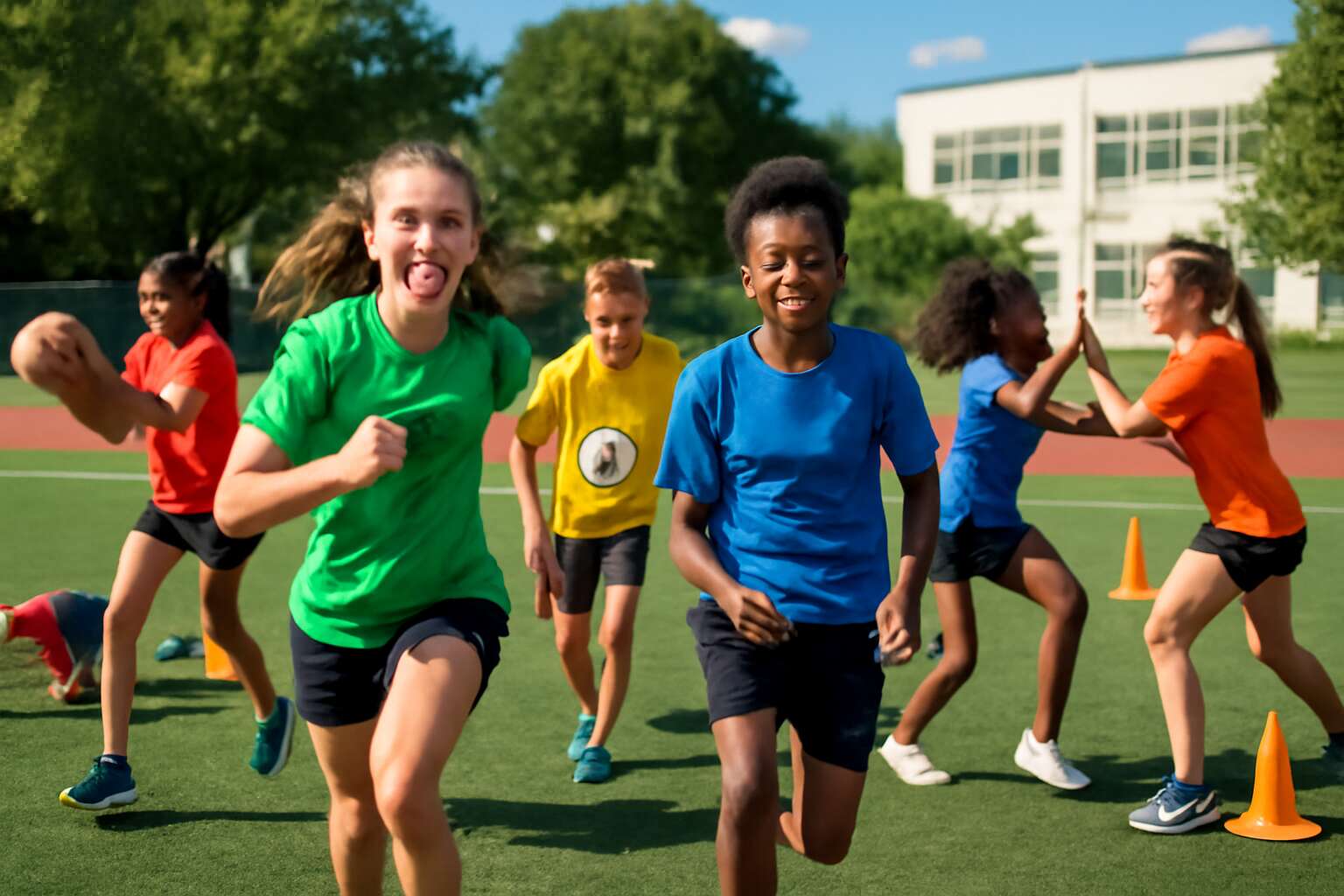
Understanding the Importance of Physical Education
Benefits of Physical Education for Students
In a world that often feels hurried and disconnected, the power of physical education cannot be overstated. It’s not just about running laps or playing sports; it’s about nurturing resilience, teamwork, and mental clarity in young minds. Studies reveal that students engaged in regular physical education tend to perform better academically, showing improved concentration and memory. This holistic approach supports both the body and mind, fostering a sense of balance that is vital for healthy development.
Beyond physical health, the benefits of physical education extend into emotional well-being. It helps students build confidence and develop social skills, which are essential in navigating the complexities of life. In rural communities especially, where access to resources can be limited, physical education becomes a cornerstone of nurturing well-rounded individuals. It encourages perseverance, discipline, and a lifelong love of activity that can carry them through challenges and triumphs alike.
Physical Education and Overall Wellbeing
In the vast tapestry of human existence, physical education emerges as a vital thread that weaves vitality and resilience into the fabric of daily life. Beyond mere activity, physical education cultivates an understanding of the body’s intricate harmony, fostering overall wellbeing that transcends age and circumstance. It’s not just about movement; it’s about awakening a sense of purpose within each stride, each breath, each heartbeat.
Research indicates that students immersed in comprehensive physical education programs develop heightened mental clarity and emotional stability. These benefits ripple outward, influencing their capacity to navigate life’s challenges with confidence and grit. In South Africa’s diverse communities, the true importance of physical education becomes even more apparent, serving as a bridge to social cohesion and personal growth.
- Promotes physical health and stamina
- Enhances mental sharpness and concentration
- Builds character traits such as discipline and perseverance
- Fosters social skills and teamwork through collaborative activities
Role of Physical Education in Academic Performance
In the shadowed corridors of academia, a silent force stirs—an unseen power that can elevate a student’s mind and spirit: physical education. It is more than just a regimen of movement; it is the dark heartbeat of intellectual vigor. Research reveals that students engaged in comprehensive physical education programs display remarkable improvements in academic performance, their minds sharpened like a blade honed by discipline and focus.
Physical education ignites mental clarity and boosts concentration, transforming classrooms into arenas of relentless pursuit. Its influence extends beyond the physical realm, sculpting resilient characters through perseverance and discipline. In South Africa, where the tapestry of communities is woven with diversity, physical education acts as a bridge—uniting students in collaborative spirit and fostering social cohesion.
- Enhanced cognitive function
- Increased focus and attention span
- Strengthened resilience and emotional stability
Key Components of Effective Physical Education Programs
Curriculum Standards and Goals
In the fast-evolving landscape of education, the key components of an effective physical education program stand out as the bedrock of student development. These components serve as the blueprint for fostering lifelong health habits and physical literacy. At the core are curriculum standards and clear goals that ensure consistency and high quality across diverse schools and communities.
Implementing well-defined curriculum standards helps educators tailor activities that are developmentally appropriate and inclusive. Goals should emphasize not only skill acquisition but also the cultivation of teamwork, resilience, and leadership—traits essential in today’s dynamic world. A comprehensive approach might include:
- Aligning activities with national and local physical education standards
- Fostering an environment that encourages active participation and enjoyment
- Assessing progress through formative and summative evaluations
By anchoring physical education programs in these key components, schools can unlock the full potential of their students, transforming physical activity from mere exercise to a powerful tool for holistic growth. The integration of curriculum standards and ambitious yet attainable goals ensures that physical education remains relevant, engaging, and impactful in South Africa’s educational landscape.
Incorporating Diverse Sports and Activities
In South Africa’s vibrant schools, effective physical education goes beyond traditional sports; it captures the essence of diverse activities that inspire every student. A well-rounded program incorporates a variety of sports and exercises, ensuring that each learner finds something that ignites their passion. This diversity not only promotes inclusivity but also helps develop a broad spectrum of skills, from agility to strategic thinking.
Key components of effective physical education programs include the integration of activities such as soccer, netball, athletics, and traditional games like morabaraba. These activities foster teamwork, resilience, and leadership—traits vital for personal growth. By tailoring these activities to fit developmental stages and cultural contexts, educators cultivate a love for physical activity that lasts a lifetime.
- Incorporate culturally relevant traditional games to promote community pride.
- Mix team sports with individual pursuits like gymnastics or swimming to build confidence.
- Ensure activities are adaptable for students with diverse abilities and backgrounds.
Ultimately, the strength of physical education lies in its capacity to blend physical literacy with social skills, creating a holistic approach to student development. When diverse sports and activities are woven seamlessly into the curriculum, physical education becomes a vital catalyst for nurturing well-rounded, resilient young minds ready to face the world with vigor and confidence.
Emphasis on Skill Development and Fitness
When it comes to effective physical education programs, honing skills and boosting fitness levels are the twin engines propelling student development forward. It’s not just about running faster or jumping higher; it’s about cultivating a durable foundation of physical literacy that supports lifelong activity. Schools that prioritize skill development in physical education often see students transforming from hesitant beginners into confident athletes, ready to tackle any challenge.
To truly elevate physical education, a balanced mix of activities must be woven into the curriculum. This includes traditional team sports, such as soccer and netball, alongside individual pursuits like gymnastics and swimming. Such diversity ensures that every student finds their niche and feels motivated to participate regularly. Moreover, integrating fitness assessments and skill drills tailored to developmental stages helps track progress and keeps students engaged, pushing them towards their personal best.
- Enhancing agility and coordination
- Fostering resilience through competitive sports
- Building cardiovascular endurance with aerobic exercises
Ultimately, effective physical education isn’t just about physical prowess; it’s about nurturing well-rounded individuals equipped with the skills and fitness needed to thrive both on and off the field. When schools in South Africa embrace this holistic approach, they’re not only improving physical literacy but inspiring a generation to lead healthier, more active lives with confidence and joy.
Assessment and Progress Tracking
Assessment and progress tracking are fundamental components of an effective physical education program. Without clear benchmarks, it’s difficult to determine whether students are developing essential skills or improving their fitness levels. Regular evaluations provide valuable insights into each student’s journey, highlighting strengths and identifying areas for improvement. This ongoing monitoring ensures that physical education remains relevant and tailored to individual needs.
To keep students motivated and engaged, many schools incorporate a variety of assessment methods, such as skill drills, fitness tests, and peer reviews. These tools not only measure physical progress but also foster a sense of accountability and achievement. When done consistently, assessment transforms physical education from a mere activity into a strategic process that nurtures growth and confidence.
Implementing a structured system of progress tracking—such as digital portfolios or progress charts—can make a significant difference. These tools enable educators to set realistic goals and celebrate milestones. Ultimately, effective assessment ensures that physical education fulfills its role in developing lifelong healthy habits, while providing a clear pathway for students to realize their full potential in physical literacy and fitness.
Innovative Approaches in Physical Education
Use of Technology and Wearable Devices
As technology continues to reshape education, innovative approaches in physical education are gaining momentum. Integrating wearable devices and digital tools transforms traditional PE classes into dynamic, data-driven experiences. These advancements allow students to monitor their heart rates, track movement patterns, and set personalized fitness goals, making physical education more engaging and tailored to individual needs. It’s no longer just about running laps; it’s about understanding the body through real-time feedback and fostering lifelong healthy habits.
Wearable devices, such as fitness trackers and smart watches, provide educators with valuable insights into student performance. This data can be used to design more targeted activities that promote cardiovascular health, strength, and flexibility. Moreover, virtual reality (VR) applications are beginning to offer immersive sports simulations, broadening the scope of physical education beyond the conventional gymnasium. Embracing these technological tools not only elevates student motivation but also aligns physical education with the digital age, making it more relevant and accessible for all learners in South Africa.
Integrating Adventure and Outdoor Activities
In the realm of physical education, embracing adventure and outdoor activities has transformed traditional practices into exhilarating journeys of discovery. South African schools are increasingly integrating these elements to ignite a passion for fitness and exploration among students. Imagine a classroom where learning extends beyond four walls, into the wild landscapes that beckon with promise and challenge. These outdoor pursuits foster resilience, teamwork, and an innate connection to nature—essentials for holistic development.
Innovative approaches in physical education often include activities like trail running, rock climbing, and orienteering, each offering unique benefits. Such experiences not only enhance physical fitness but also cultivate critical thinking and problem-solving skills. To streamline this integration, educators can consider:
- Structured adventure challenges that promote leadership and collaboration
- Environmental stewardship through activities that emphasize conservation and respect for nature
- Use of GPS and mapping technology to navigate outdoor terrains, making physical education more interactive and engaging
By weaving adventure into physical education, schools can create a dynamic environment where students develop lifelong healthy habits while forging a profound bond with the natural world, truly embodying the spirit of exploration that fuels human growth and resilience.
Inclusive Physical Education for All Students
In the vibrant tapestry of modern physical education, innovation is the key to unlocking boundless potential. Schools across South Africa are pioneering inclusive approaches that transcend traditional boundaries, ensuring that every student, regardless of ability, can partake in the joy of movement. This transformation fosters not only physical fitness but also confidence, camaraderie, and a sense of belonging—cornerstones of holistic development.
One compelling strategy involves the integration of adaptive sports and activities tailored to diverse needs. For example, utilizing modified equipment or specialized routines enables students with different abilities to engage fully in physical education. Additionally, incorporating technology—such as wearable devices and interactive apps—creates personalized experiences that motivate and track progress. This fusion of innovation and inclusivity ensures that physical education becomes a sanctuary of growth for all.
Moreover, schools are embracing collaborative projects like team-building exercises and peer-led activities that promote empathy and understanding. These initiatives cultivate a supportive environment where every student’s unique strengths are celebrated, transforming physical education into a powerful vehicle for social cohesion and lifelong wellness.
Virtual Physical Education Classes
Virtual physical education classes are revolutionizing how students engage with movement. In a digital age, schools across South Africa are embracing innovative approaches that break down geographical and physical barriers. These classes leverage live streaming, interactive platforms, and digital resources to keep students active from anywhere. The flexibility of virtual physical education allows educators to tailor routines to individual needs, ensuring inclusive participation.
One standout feature is the integration of real-time feedback through online tools, making assessment more dynamic and personalized. Schools are also experimenting with gamified experiences and virtual challenges to boost motivation. These approaches foster a sense of community and accountability, even when students are physically apart. As a result, virtual physical education becomes more than just a substitute—it transforms into a compelling way to promote lifelong wellness and active lifestyles for all learners.
Challenges Facing Physical Education Today
Budget Constraints and Resource Limitations
In South Africa, the landscape of physical education faces an array of hurdles that threaten to diminish its impact. Budget constraints and resource limitations remain the most persistent challenges, often dictating the quality and scope of physical education programs. Schools struggle to allocate sufficient funds for proper sports equipment, maintenance, and qualified instructors, undermining the potential of physical education to nurture healthy, active lifestyles among students.
Amid these constraints, innovative solutions are essential. Some schools prioritize cost-effective outdoor activities or community partnerships to supplement their physical education curriculum. Yet, without adequate funding, even these efforts can fall short of fostering comprehensive skill development and fitness. As physical education continues to evolve, addressing resource limitations is critical to ensuring every student benefits from a well-rounded, engaging physical education experience that promotes lifelong health and wellbeing.
Curriculum Time Allocation
One of the most pressing challenges facing physical education today is the limited curriculum time allocated within the school day. In many South African schools, physical education is often squeezed between academic subjects, leaving it as a secondary priority. This reduction hampers the opportunity for students to develop essential motor skills, coordination, and a lifelong appreciation for active living. When physical education programs are cut short or sidelined, the chance to foster a culture of health and fitness diminishes significantly.
Moreover, with a crowded timetable, educators struggle to incorporate a diverse range of sports and activities that could ignite a passion for movement among students. To maximize the impact of physical education, some schools are adopting innovative approaches such as integrated activity sessions or staggered schedules. But without dedicated time, even the most creative efforts may fall flat, leaving students underserved in their physical development. Ensuring ample curriculum time for physical education remains a cornerstone for cultivating active, healthy generations in South Africa.
Lack of Qualified Physical Education Teachers
One of the most pressing challenges facing physical education today in South Africa is the shortage of qualified physical education teachers. Many schools struggle to find educators who possess both the necessary expertise and passion to inspire students to embrace active lifestyles. Without knowledgeable teachers, the quality of physical education programs diminishes, and students miss out on vital instruction in motor skills, safety, and fitness techniques.
Furthermore, the scarcity of qualified physical education teachers often leads to inconsistent or superficial lessons, reducing the impact of physical education on student development. This gap not only hampers skill acquisition but can also dampen enthusiasm for movement and sport among students. Addressing this issue requires targeted investment in teacher training and professional development. Only then can physical education truly serve as a catalyst for lifelong health and well-being in South Africa’s youth.
Balancing Academic and Physical Activity Requirements
One of the most persistent challenges facing physical education in South Africa is balancing academic demands with the need for meaningful physical activity. Schools often prioritize core academic subjects, leaving limited time for physical education. This narrow focus can diminish the importance of movement and fitness in students’ lives, undermining their overall development.
Striking the right balance requires a strategic approach. Incorporating flexible schedules or integrated lessons can help ensure that physical education remains a vital component of the school day. When physical education is sidelined, students miss opportunities to develop motor skills, improve mental health, and foster teamwork—elements essential for a well-rounded education.
Furthermore, the challenge extends beyond scheduling. Without adequate resources and support, physical education programs struggle to thrive. Ensuring that physical education maintains its rightful place alongside academic subjects is crucial for nurturing healthier, more active future generations in South Africa.
Future Trends in Physical Education
Personalized Fitness Plans for Students
As the dawn of tomorrow beckons, the landscape of physical education is poised to transform in ways both profound and poetic. Imagine personalized fitness plans tailored with the precision of a master artisan—each student’s unique rhythm and resilience woven into a tapestry of movement. This future vision champions the integration of cutting-edge technology, where wearable devices and AI-driven analytics serve as silent scribes, chronicling progress and inspiring resilience. Such innovations promise to elevate physical education beyond mere activity, turning it into an immersive journey of self-discovery and empowerment.
In this evolving narrative, schools will likely adopt adaptable, student-centric programs that respond to individual needs and aspirations. A possible approach involves implementing a flexible, multi-tiered system that emphasizes holistic wellness—combining mental health, physical strength, and skill mastery. This bespoke approach ensures that every learner finds their own path within the expansive realm of physical education, fostering a lifelong passion for health and vitality. The future of physical education is not just about motion; it’s about sculpting resilient spirits through personalized, meaningful engagement.
Integration of Health and Nutrition Education
The future of physical education is expanding far beyond traditional sports and drills. One of the most promising trends is the integration of health and nutrition education into the curriculum. Recognizing that fitness is a holistic concept, schools are increasingly emphasizing the importance of balanced diets, proper hydration, and mental wellness alongside physical activity. This comprehensive approach helps students develop sustainable habits that support long-term health.
Advances in technology are playing a pivotal role in this shift. Wearable devices and mobile apps now enable real-time tracking of nutrition and activity levels, providing students with personalized feedback and motivation. As a result, physical education transforms into an immersive experience, fostering a deeper understanding of how lifestyle choices impact overall wellbeing.
- Enhanced curriculum content that marries physical activity with health literacy
- Use of digital tools to monitor and promote healthy behaviors
- Collaborative projects involving nutrition planning and outdoor fitness activities
Such integration ensures that physical education remains relevant and engaging, equipping students with the knowledge and skills to make informed health decisions. By weaving health and nutrition education into physical education, schools can cultivate resilient, health-conscious individuals prepared for the challenges of modern life in South Africa and beyond.
Community Engagement and After-School Programs
The future of physical education in South Africa is blossoming into a vibrant tapestry of community engagement and innovative after-school programs. As schools recognize the importance of fostering active lifestyles beyond the classroom, they are forging stronger bonds with local communities to create inclusive, dynamic environments for all students. These initiatives not only promote physical activity but also cultivate a sense of belonging and shared purpose.
One exciting trend is the rise of after-school programs that combine physical education with life skills development. These programs often incorporate outdoor adventures, team challenges, and community service projects, transforming physical activity into a meaningful experience. Schools are also leveraging digital platforms to connect students with mentors and fitness experts, enriching their journey toward a healthier lifestyle.
In South Africa, the integration of community-based physical education initiatives is especially vital. They serve as a bridge, connecting students to their cultural roots and encouraging active participation in local traditions. Such programs exemplify how physical education can evolve into a powerful catalyst for social cohesion, resilience, and lifelong wellness.
Advances in Sports Technology and Analytics
Advances in sports technology and analytics are transforming the landscape of physical education in South Africa. Cutting-edge tools like motion sensors, AI-driven performance analysis, and virtual reality are opening new horizons for student engagement and skill development. These innovations allow educators to tailor training programs with unprecedented precision, fostering a deeper understanding of individual capabilities.
One of the most exciting trends is the integration of wearable devices that track biometric data in real-time. This data provides insights into heart rate, energy expenditure, and recovery times, enabling personalized fitness plans that adapt to each student’s unique needs. Such technological marvels are making physical education not just more engaging but also more effective.
Moreover, the use of data analytics helps identify talent early on, promoting inclusivity and ensuring every student has the opportunity to excel in their chosen sport. As South Africa continues to embrace these technological advancements, physical education evolves into a dynamic blend of tradition and innovation, inspiring a new generation of athletes and lifelong wellness advocates.
Implementing Successful Physical Education Programs
Strategies for Teacher Training and Development
Transforming physical education into a vibrant, impactful experience requires more than just enthusiasm; it demands strategic teacher training and ongoing development. In South Africa, where diverse student needs and resource constraints intersect, cultivating a cadre of passionate physical education teachers becomes paramount. Effective strategies include immersive workshops that focus on innovative teaching methods, inclusivity, and the latest in sports technology. These initiatives not only elevate the quality of instruction but also inspire teachers to foster a lifelong love of activity among students.
To ensure continuous growth, implementing structured professional development programs is essential. These programs should emphasize practical skills, curriculum integration, and assessment techniques unique to physical education. Moreover, fostering a collaborative environment where teachers share best practices creates a community dedicated to elevating physical education standards. By investing in teacher training and development, schools can ignite a newfound energy within their physical education programs, turning every lesson into a journey of discovery and resilience.
Engaging Parents and Community
Implementing successful physical education programs in South Africa extends beyond the gymnasium walls and into the heart of the community. Engaging parents and local stakeholders transforms physical education from a school subject into a nationwide movement for healthier lifestyles. Parents who understand the value of physical education are more likely to encourage their children to participate enthusiastically, turning school sports days into community celebrations. But how do we ensure that this enthusiasm permeates every corner of our society?
One effective approach is to organize community events that showcase student achievements and promote active living. These gatherings can include fun runs, sports tournaments, or outdoor adventure days—each one a golden opportunity to spark interest among parents and local leaders. Encouraging community involvement not only bolsters student motivation but also helps to forge partnerships that can provide additional resources and support for physical education initiatives.
- Invite parents to participate in school sports clinics.
- Establish local sports clubs that thrive beyond school hours.
- Coordinate with community health organizations to promote active living.
By weaving these elements into the fabric of everyday life, physical education programs can become dynamic catalysts for community-wide wellness. When parents and community members are invested, physical education in South Africa evolves from a routine curriculum into a vibrant movement that fosters resilience, camaraderie, and lifelong health habits—all vital ingredients for nurturing the nation’s future champions of well-being.
Creating a Safe and Encouraging Environment
Creating a safe and encouraging environment for physical education is the cornerstone of cultivating genuine enthusiasm and sustained participation. In South Africa, where diverse cultural and socioeconomic backgrounds shape school communities, the importance of fostering inclusivity cannot be overstated. A well-designed physical education program not only emphasizes safety protocols but also nurtures a sense of belonging that empowers every student to thrive.
To truly embed a culture of active living, schools must prioritize the development of an environment where students feel both secure and motivated. This involves strategic classroom management, accessible facilities, and the integration of positive reinforcement techniques. Encouraging risk-taking within a controlled setting cultivates resilience, which is vital for lifelong health habits. Moreover, engaging local communities in safety audits and facility upgrades ensures that physical education becomes a shared responsibility, reinforcing the collective commitment to student well-being.
In addition, creating opportunities for peer mentorship and leadership within physical education fosters camaraderie and mutual respect. When students witness their peers supporting each other’s growth, the environment transforms into a thriving hub of encouragement and resilience. This approach not only enhances skill development but also reinforces the intrinsic value of teamwork, health, and perseverance—fundamental tenets of effective physical education in South Africa’s evolving educational landscape.
Measuring Program Effectiveness
Measuring the success of physical education programs is akin to deciphering the secret language of vitality and growth within a school’s walls. In South Africa, where diversity is woven into the fabric of society, evaluating how effectively physical education inspires and sustains student engagement requires a nuanced approach. An impactful program transcends mere participation; it embodies a transformation—students not only move but also develop resilience, teamwork, and a lifelong passion for health.
To assess these intangible qualities, educators often turn to a blend of qualitative and quantitative measures. These include tracking skill progression, fitness improvements, and student feedback—each serving as a vital indicator of program efficacy. Incorporating innovative technology such as wearable devices can elevate this process, providing real-time data that paints a vivid picture of student progress.
- Setting clear, measurable objectives aligned with curriculum standards.
- Regularly conducting assessments that encompass motor skills, endurance, and teamwork.
- Engaging students in self-reflection to foster ownership of their physical development.
By embracing such comprehensive evaluation methods, schools can fine-tune their physical education offerings, ensuring they remain dynamic and relevant. This continual process of measurement and adjustment not only amplifies student achievement but also nurtures a culture of excellence and resilience—cornerstones of thriving educational environments in South Africa’s vibrant landscape.