
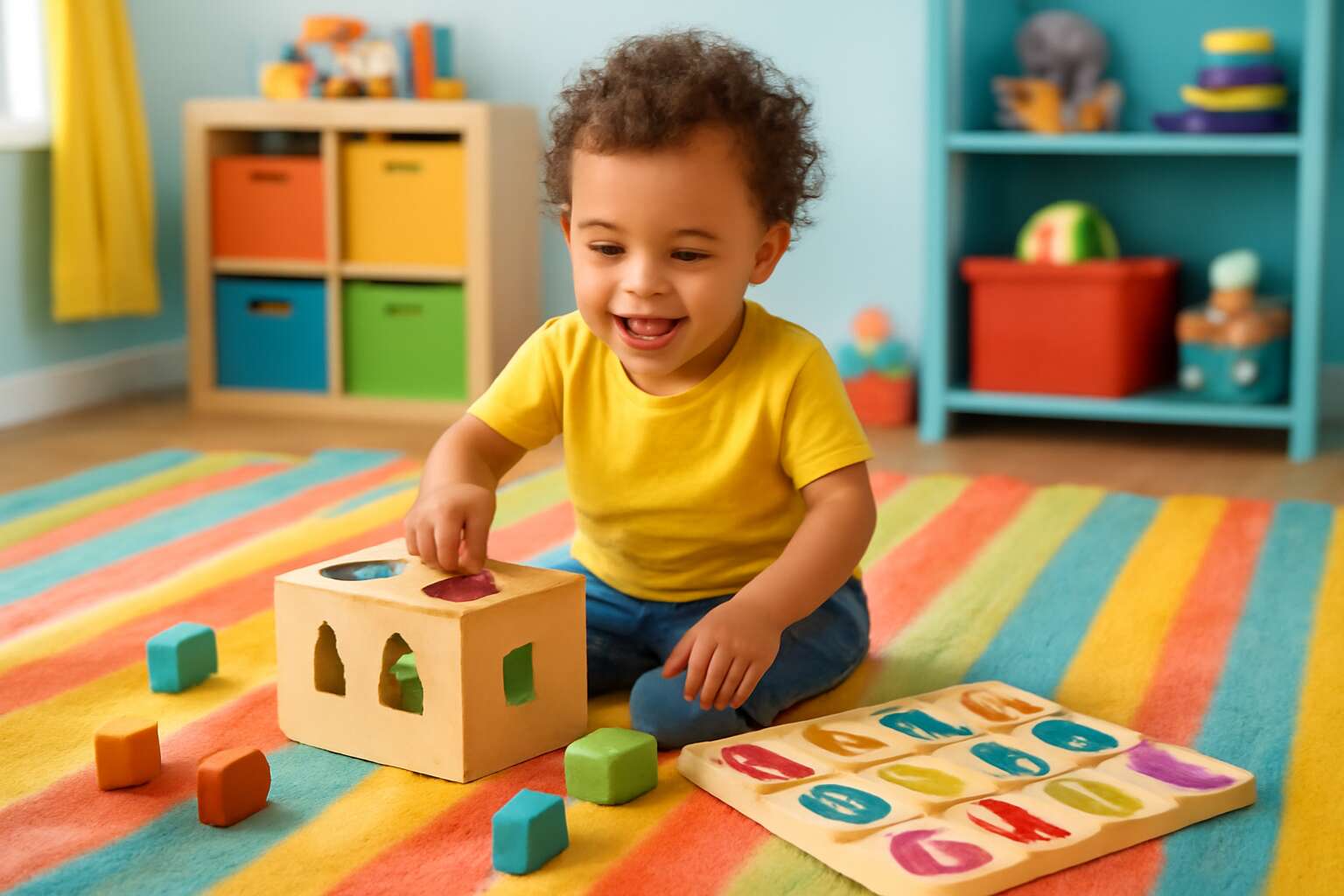
Educational toys for toddlers around age two: development-focused picks
Section One: Developmental benefits and goals
South Africa’s living rooms are bustling classrooms in disguise, and two-year-olds soak up new ideas with the rapidity of a detective piecing clues. By age three, experts estimate that up to 85% of core brain development has unfolded, so play with purpose matters. When families reach for education toys for 2 year olds, they invite gentle challenges that grow language, motor skills, and social awareness—without turning play into work. Each moment becomes a chance to explore color, shape, sound, and story, alongside a parent’s quiet guidance.
- Stimulates language and early literacy through naming, turn-taking, and storytelling.
- Builds fine motor control and hand-eye coordination via nest-and-fit or stack-and-build activities.
- Encourages problem-solving and executive function as toddlers test cause-and-effect and memory.
Durability, safety, and cultural resonance shape thoughtful choices for tiny hands and growing minds. The best tools feel like playmates that spark wonder as everyday routines become discoveries.
Section Two: Toy categories for 2-year-olds
In South African living rooms, a single toy can unlock a galaxy of discovery. As Maria Montessori reminded us, ‘Play is the work of the child’—and two-year-olds learn through joyful exploration that feels like game, not drill. These ideas frame the toy categories that fuel early learning with warmth.
Consider these toy categories that anchor learning without pressure:
- Pretend play sets: kitchen, doctor, shop
- Construction and manipulation: blocks and nestable cups
- Early reading and language tools: board books, word cards
- Sensory and motor play: texture balls, water wheels
- Music and movement: shakers, small drums
Durability and safety stay in view, but the aim is open-ended curiosity. For families across South Africa, these education toys for 2 year olds offer dependable, joyful ways to grow together.
Section Three: Safety and age-appropriateness
Open-ended, safely designed play unlocks more learning than rushed drills. In South Africa’s living rooms, education toys for 2 year olds carry a quiet mandate: safety and age-appropriateness must be woven into the joy. At this curious stage, tiny hands meet sturdy, simple mechanisms that invite exploration without risk, and clear labels about materials and suggested ages speak with a reassuring calm.
- Choking hazards: avoid small parts; choose pieces larger than a dime
- Non-toxic materials and finishes; easy to wipe clean
- Sturdy construction with large grip surfaces for safe handling
- Clear age labeling and simple, intuitive designs
Beyond the label, trusted certifications and durable construction offer reassurance. When safety quietly informs every choice, education toys for 2 year olds nurture confident curiosity without overload, providing warm, steady companionship on the path to early learning in South Africa.
Section Four: How to choose and use toys for optimal learning
“Play is the work of childhood,” and the maxim rings true for education toys for 2 year olds, where curiosity should be welcomed, not overwhelmed. The right picks blend novelty with predictability, inviting kids to test, compare, and imagine—without turning play into rocket science.
- Open-ended shapes and simple mechanisms invite experimentation rather than ritual repetition.
- Engagement surfaces encourage manipulation—grips, levers, and easy-swipe features that suit tiny hands.
- Language-rich elements—labels in bold, bright visuals—support early vocabulary without shouting.
In South Africa, families value durability and materials that stay friendly to little jungle of crumbs and spills. Look for non-toxic finishes and sturdy bodies that endure the daily adventures of a two-year-old’s life. When these choices sit calmly in the home, learning happens as a natural by-product of play, not a checklist.