
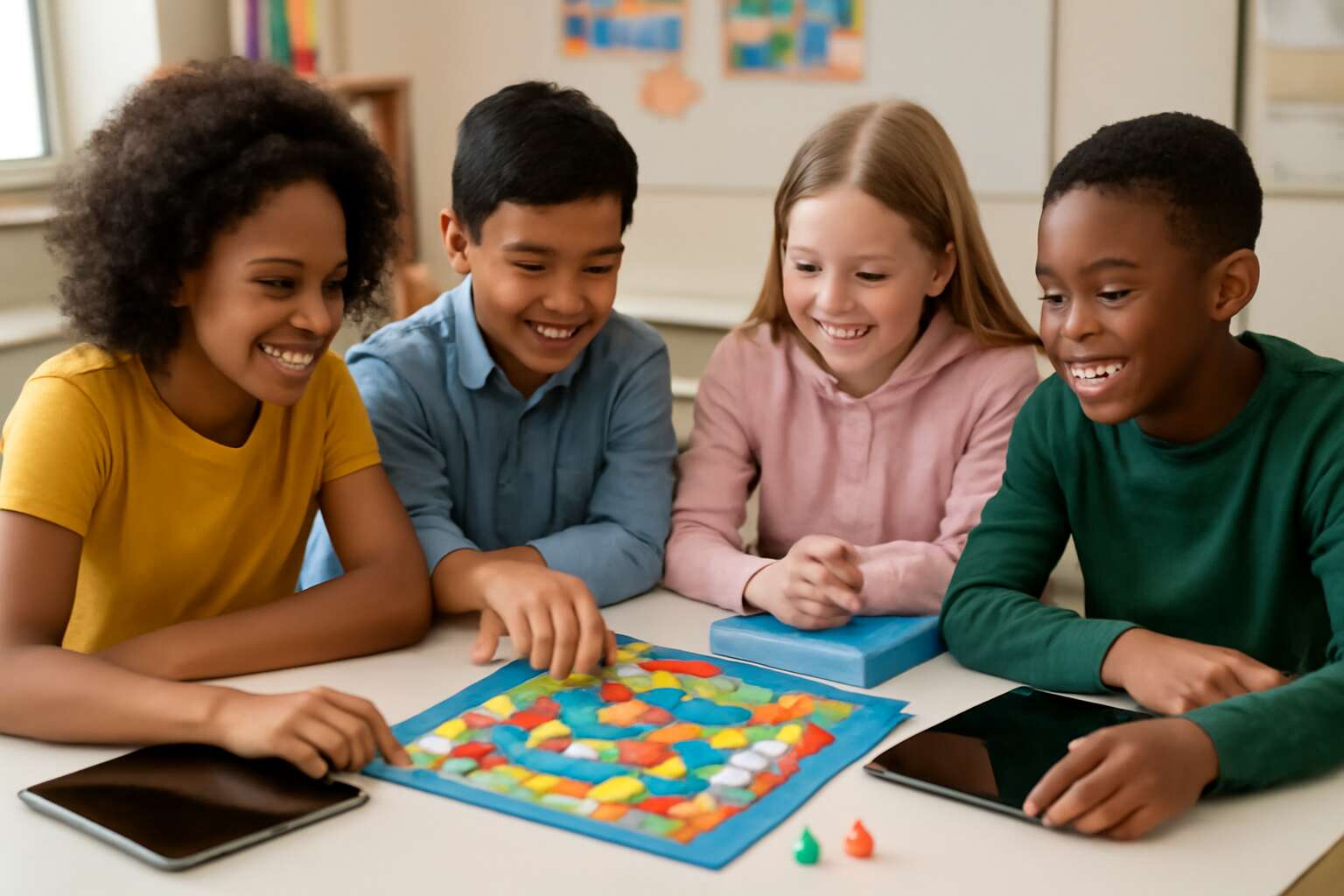
Gamified Learning: A Comprehensive Outline
Section A: Benefits and Outcomes of Gamified Learning
Across South Africa, classrooms are rewriting the script of learning. A recent survey suggests 68% of learners report higher engagement when lessons are gamified, turning routine tasks into quests and misconceptions into clues toward mastery. This is education with games—where curiosity fuels progress rather than compliance.
- Boosted motivation and sustained focus
- Faster concept mastery through immediate feedback
- Stronger collaboration and communication in teams
Benefits ripple through mood, memory, and mastery. Key gains include:
In South Africa’s diverse classrooms, gamified approaches shape resilience and digital citizenship that extend beyond tests, equipping learners to navigate a changing world with imagination and grit.
Section B: Classroom Integration and Design
Across South Africa’s classrooms, a purposeful integration of play reframes what counts as learning. In SA schools, teacher surveys reveal 68% report higher engagement when lessons are gamified. This is education with games, where design teams translate curriculum goals into quests that still meet standards. To weave this into daily practice, schools set clear alignment to outcomes and construct accessible pathways for every learner.
- Aligns game mechanics with national standards
- Supports inclusive pacing and assessment-ready tasks
- Fosters collaboration, peer feedback, and community norms
- Offers affordable tech routes and offline options
Classroom design follows a tactile logic: flexible spaces, modular tasks, and teacher roles that toggle between mentor, referee, and curator. Assessment is continuous and embedded, with dashboards that respect privacy and celebrate succession, not just scores. Language choices and cultural relevance sit at the center, ensuring every learner can draw on local knowledge as fuel for discovery.
Section C: Game Types and Learning Scenarios
Across South Africa, a striking stat keeps surfacing: engagement rises when play anchors the curriculum. Education with games isn’t a gimmick; it’s a lens for problem-solving, collaboration, and persistence under pressure. “Education with games makes learning feel like a quest, not a worksheet,” a veteran teacher notes.
Gamified Learning: Section C maps distinct game types to living learning scenarios.
- Role-play simulations that position students in real-world decisions, from budgeting a community project to solving environmental dilemmas.
- Puzzle-based quests that braid literacy, numeracy, and critical thinking with adaptive pacing.
- Narrative-driven quests weaving local culture, history, and current events into a compelling learning arc.
These scenarios foster perseverance and peer feedback, turning curiosity into agency. When offline options sit alongside digital richness, education with games travels beyond the lab—into every classroom, every township, every learner’s hands.
Section D: Evaluation, Implementation, and Best Practices
Across South Africa, gamified assessment is changing how students show mastery. Quick feedback, clearer challenges, and visible progress keep learners moving forward. Section D explains how to evaluate impact with practical metrics, not vanity data. Track mastery, time on task, collaboration quality, and transfer to new problems. This is the heart of education with games.
Implementation rests on three pillars: curriculum alignment, teacher training, and equitable access. A blended approach—offline and online play—appears in many districts, with reliability metrics guiding future expansions. A simple dashboard illuminates formative signals and supports quick, data-informed tweaks to courseware. Best practices emphasize ongoing reflection, transparent data, and sustained support for every teacher.