
A comprehensive outline on education rights and policy
Legal basis and global impact
Education holds the power to rewrite a future, yet in South Africa the right to education sits at the intersection of promise and practice. Nelson Mandela declared, ‘Education is the most powerful weapon which you can use to change the world.’ The constitutional guarantee glows, even as many classrooms struggle to reach it.
Legal basis and global impact anchor this field. The right to education is enshrined in the Constitution as Section 29 guarantees basic education; policy tools and funding shape access and quality. Globally, UNESCO and SDG 4 push toward inclusive learning for all. The framework can be summarized in pillars!
- Access and enrolment
- Curriculum relevance and quality
- Funding and governance
Access to education for all children
Mandela’s timeless axiom, Education is the most powerful weapon you can use to change the world, still echoes through South Africa’s schools. The right to education is more than a clause—it’s a living vow that invites every learner to reach for possibility and shape a future with conviction.
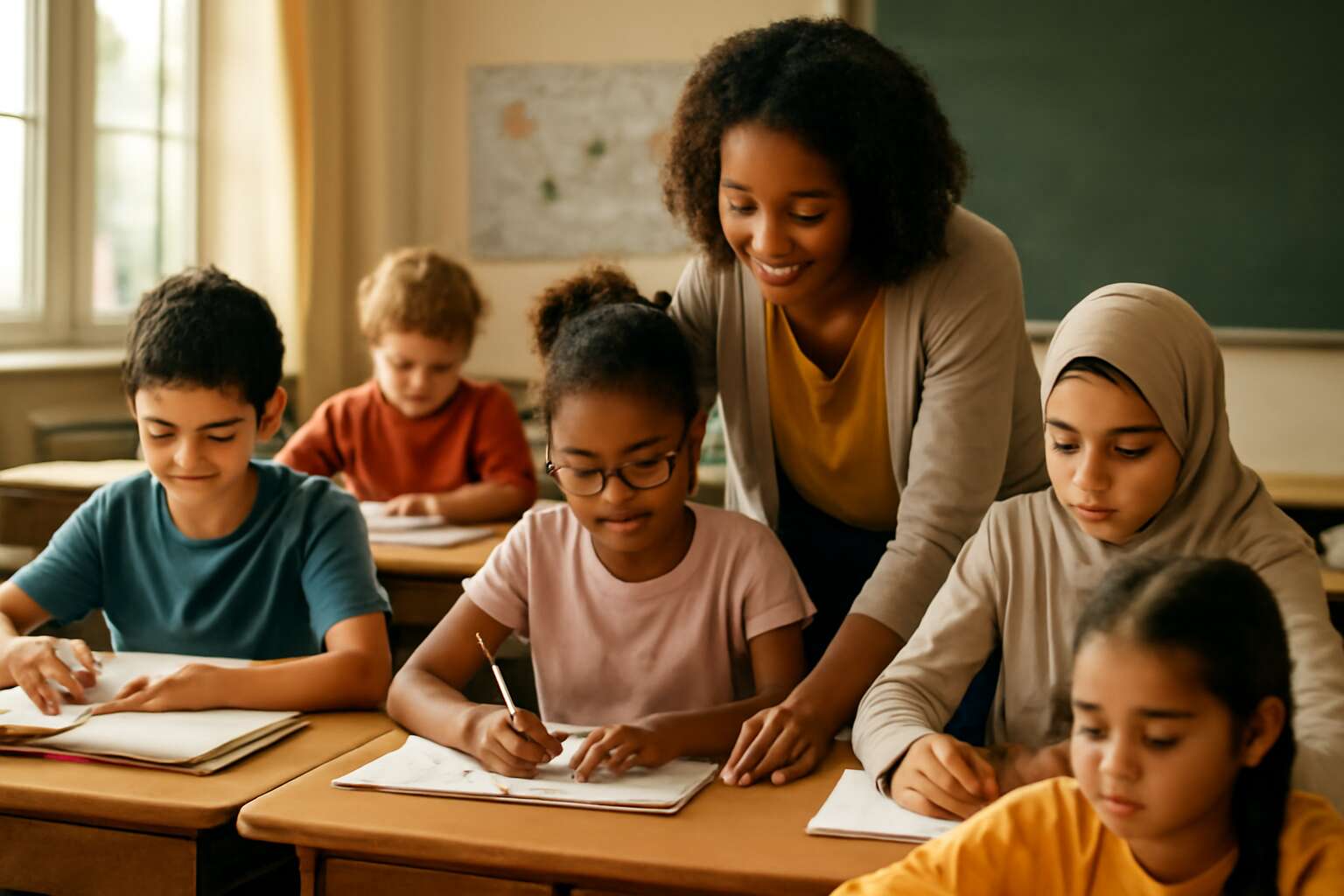
Viewed through policy and practice, access for all children means doors that swing wide, regardless of geography, income, or background. In South Africa, classrooms must be welcoming, multilingual, and safe, with support systems that lift struggling learners and celebrate diverse talents, ensuring the right to education touches every corner of the nation.
Three practical levers carry this dialogue forward:
- Inclusive enrollment and safe transport to classrooms
- Curricula that reflect local languages and lived experiences
- Transparent, sustained funding and governance that empower schools
Quality and relevance of education
Education is the compass by which a nation navigates its future. In South Africa, the right to education is a living vow that we champion—asking classrooms to be welcoming, rigorous, and bold, where curiosity thrives and learners discover paths to meaning.
Quality and relevance hinge on three pillars that we know work: authentic curricula that mirror local languages and lived experiences; assessment that measures understanding, not rote recall; and governance that makes funding transparent and decisions data-informed.
- Curriculum alignment with community realities
- Teacher professional development and support
- Open reporting and accountable leadership
With these levers, policy becomes a lighthouse rather than a rumor—guiding schools to serve every learner with dignity, creativity, and impact. The journey is collaborative, poetic, and practical, stitching policy to classrooms with every step we take!
Challenges and policy strategies
“Education is the most powerful weapon you can use to change the world,” Mandela reminds us, and those words still guide our work in South Africa as we advocate for the right to education. This outline translates rights into policy that finally becomes practice.
We confront policy challenges with a steady hand and hopeful resolve. We name barriers in funding, governance, and implementation, then propose strategies that turn law into learning—transparent budgeting, real-time reporting, and inclusive decision-making.
- Transparent funding with oversight to close gaps
- Data-driven planning and open reporting
- Inclusive governance that includes learners and families
This is not a distant ideal but a living policy—where rights become routines, and every South African child finds a path to meaning.